WhatsApp’s New Per-User Messaging Limits: A Marketer’s Guide
-
 Tarun Gupta
 September 17, 2025
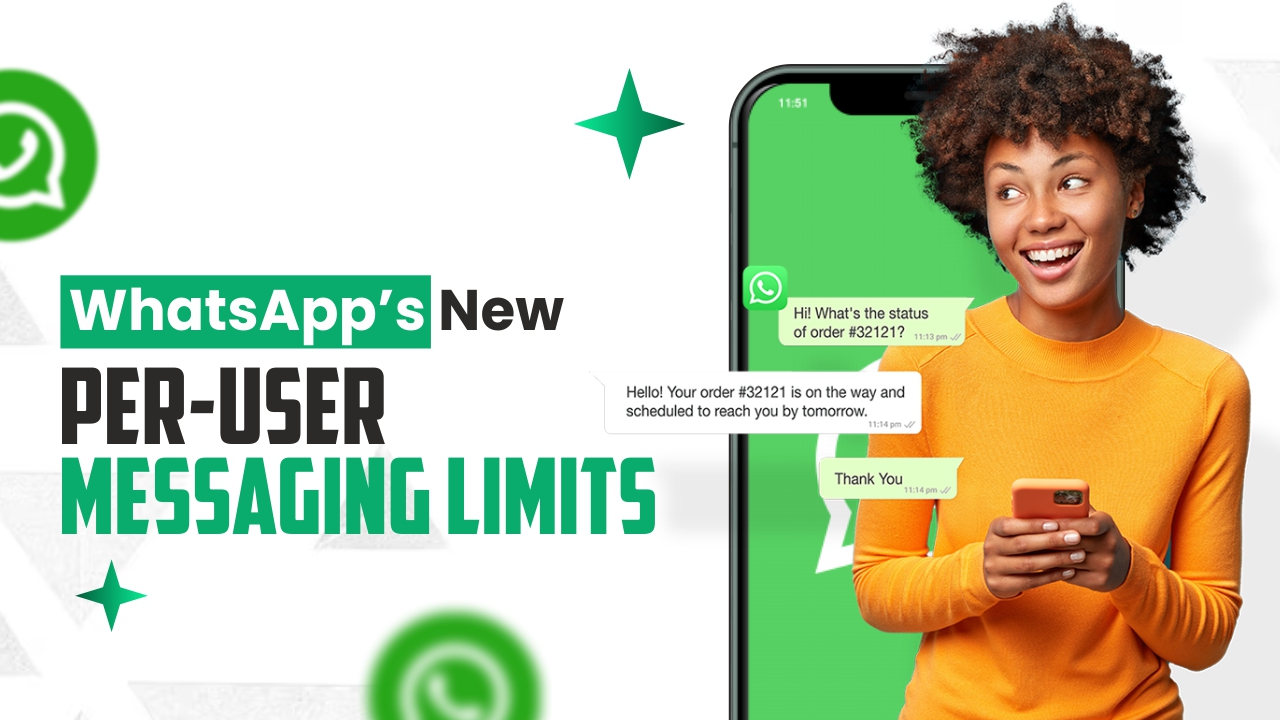
In 2025, WhatsApp has introduced significant changes in its message policies, especially affecting the abolition. The new copy-user messaging boundaries are designed to increase user experience by reducing spam and encouraging meaningful interactions. This guide will focus on how these changes increase their impact on marketing campaigns, and strategies to adapt effectively.
Understanding New Messages Boundaries
Starting from 23 May, 2024, WhatsApp implemented the Global Prati-User Marketing Template Message range. This policy prohibits the number of marketing messages that users can obtain from all businesses within a 24-hour period. The exact number of acceptable messages is not publicly disclosed and can be adjusted over time.
Additionally, until July 1, 2025, WhatsApp infected pricing for template messages from conversation-based pricing. This change means that businesses are now sent to each message, instead of conversation, emphasizing the need for more targeted and effective message strategies.
Main Conditions:
- WhatsApp User Cap: Maximum number of marketing messages receiving a user from all businesses over a 24 -hour period.
- Chat Quota: A total number of businesses can send a business to users within a specified time limit.
- Messaging Frequency Cap: How often a business can send a message to the user to prevent spam.
- User Message Policy: Guidelines determined by WhatsApp to ensure responsible and user -friendly messages.
Impact on Marketing Campaigns
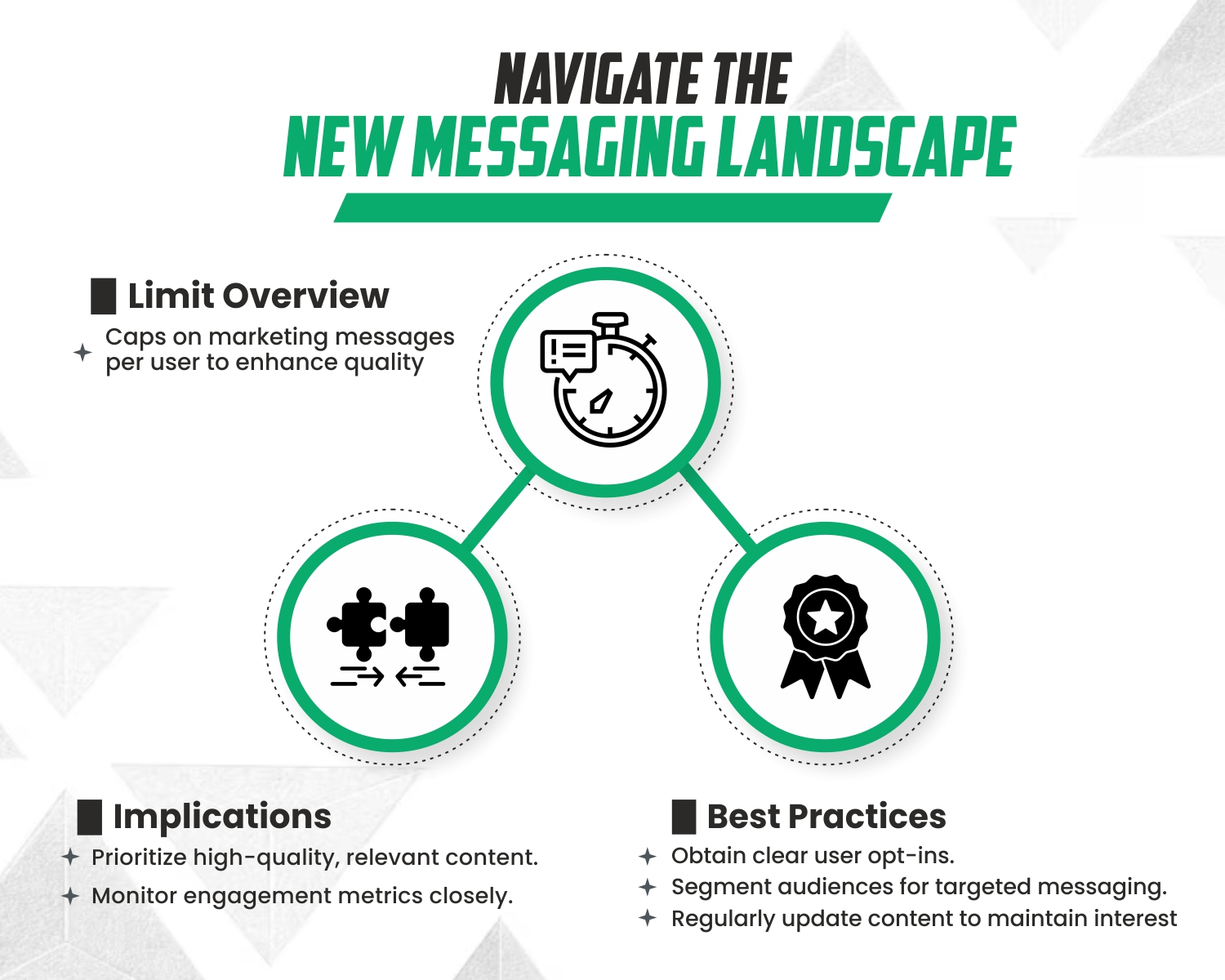
Low Message Quantity
Businesses should now be more selective with their message, focusing on quality over quantity.
Increased Cost
With per-message pricing, disabled campaigns can be expensive, and a more strategic plan is required.
Extended Compliance Requirements
Following WhatsApp messaging policies is important to avoid punishment and maintain the user’s trust.
Strategies to Adapt
Optimize Message Material
The craft messages that provide value and encourage user engagement to create each interaction count.
Flake your Audience
Tailor messages for specific user groups based on their preferences and behaviors to increase relevance.
Monitor Engagement Matrix
To assess the effectiveness of your campaigns and to adjust accordingly, track open rates, click-wealth rates and conversions.
Wisely Advantage
Use automation tools to schedule messages and manage reactions, ensure timely and proper communication.
Be Informed on Policy Changes
Regularly review the policies and updates of WhatsApp to ensure ongoing compliance and adapt to strategies as required.
Compliance Tips
Get Clear Consent
Ensure that users have opted to receive messages from your business.
Provide Easy Opt-Out Options
Allow users to easily abolish membership from messages to maintain trust and follow rules.
Avoid Spammy Practices
Avoid sending unwanted messages or sending over-communication with users.
Use Approved Template
Use WhatsApp Message Template to ensure compliance and stability.
Conclusion
The introduction of the prominent message boundaries by WhatsApp is a significant change in digital marketing practices. Businesses can be effectively engaged with their audiences by focusing on high quality, relevant messages and focusing on following new policies, respecting user preferences and maintaining compliance.
Categories
About the Writer

Tarun Gupta
Related Articles
Secure Your WhatsApp Business API: Essential Security Practices
If you run or are evaluating a WhatsApp integration, this guide lays out whatsapp b

WhatsApp Business Marketing Strategies: How to Drive More Sales in 2025
The digital world of today is intensely competitive. To ensure that they maintain a compet
Meta’s New WhatsApp Message Limits: What Businesses Need to Know
Meta has always strived to evolve WhatsApp into a more powerful channel for excellent cust

Choosing the Best WhatsApp Live Chat Tool for Your Business
Today, consumers expect instant, personal, and engaging experiences in an increasingly dig


